


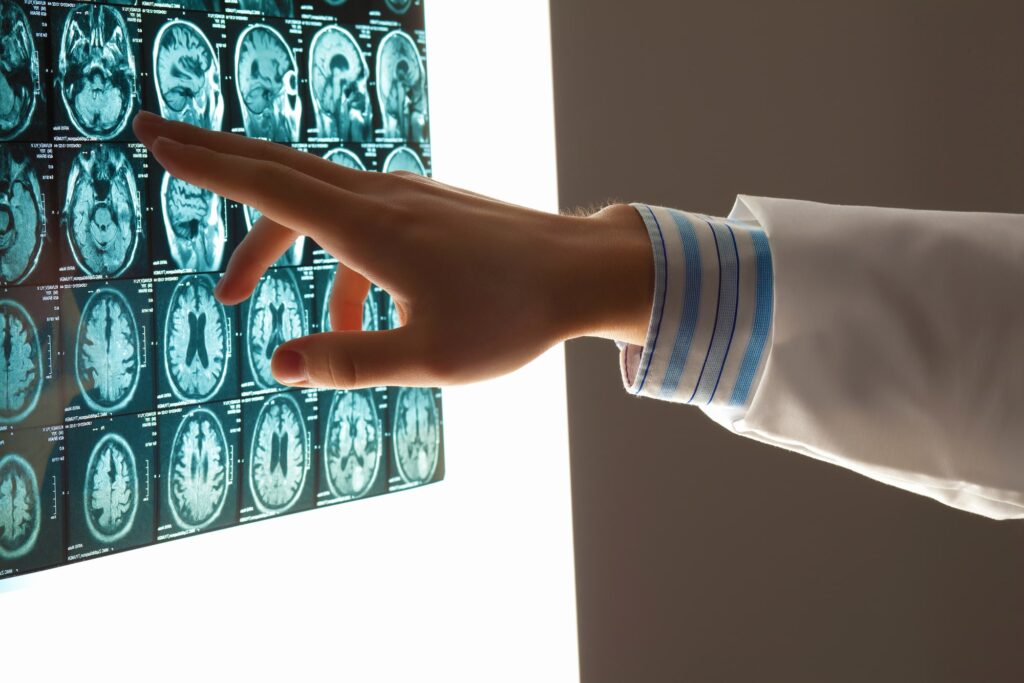
Second impact syndrome happens when you get hit in the head again before you’ve healed from the first injury. That second blow doesn’t need to be severe. Even a relatively minor impact can trigger rapid, dangerous brain swelling.
Why’s this so serious? Your brain hasn’t recovered from the first trauma. It can’t handle more damage. Doctors first identified this condition back in the 1970s. Most people still don’t know much about it unless they’re in the medical field. Yes, athletes get talked about a lot when it comes to second impact syndrome. But anyone can develop it. Car accident victims who get into another crash weeks later. Someone who falls at a grocery store after suffering a concussion at home. The common thread isn’t the activity. It’s the timing.
How Second Impact Syndrome Develops
After your first concussion or traumatic brain injury, your brain enters a vulnerable state. Blood flow changes. Cells don’t function properly. The brain loses some of its ability to regulate itself.
When a second injury occurs during this fragile period, your brain can’t control the swelling that follows. Most cases happen when the second impact occurs within days or weeks of the first one. But recovery periods aren’t the same for everyone. Injury severity plays a role. So does your age and overall health. Some people need just a few weeks. Others require months to fully heal.
Recognizing The Warning Signs
Second impact syndrome moves fast. We’re talking minutes, not hours. You need to recognize these symptoms immediately:
- Sudden collapse or loss of consciousness
- Dilated pupils that won’t respond to light
- Rapid deterioration in how alert or oriented someone seems
- Severe headache that gets worse by the minute
- Vomiting or intense nausea
- Trouble breathing
Don’t wait if you see these signs. Call 911. The mortality rate for second impact syndrome is terrifyingly high, and people who survive often face permanent neurological damage.
Who Faces The Greatest Risk
Young people under 25 are at higher risk because their brains are still developing. But don’t think adults are safe. Anyone recovering from a concussion can develop second impact syndrome. Certain situations stack the deck against you. Multiple car accidents in a short span. Frequent falls because someone hasn’t fixed a dangerous stairway. Being in an abusive relationship where head injuries happen repeatedly. All of these scenarios create the perfect storm for this condition.
The Importance Of Complete Recovery
Too many people rush back to normal life after a head injury. They feel pressure to return to work, bills don’t stop coming, or maybe they just think they’re fine because the headache went away. Your brain might still be healing even when you feel better. A Cleveland brain injury lawyer often sees cases where clients suffered that devastating second injury because nobody properly explained the risks after the first incident. Or their employer pressured them to come back before they’d healed.
Legal Considerations After Repeated Brain Injuries
When someone develops second impact syndrome, figuring out who’s legally responsible gets complicated. Sure, there’s whoever caused the second injury. But what about the first one?
Property owners who created the hazard that caused your first fall. Employers who pushed you back to work too soon. Medical providers who failed to diagnose your initial concussion. They could all face legal accountability. Documentation becomes your best friend here. Medical records showing the initial injury, treatment received, doctor’s instructions, and the exact timeline between injuries all play significant roles in establishing liability. A Cleveland brain injury lawyer can use this documentation when building your case.
Protecting Your Legal Rights
If you or someone in your family experienced second impact syndrome, you’re probably drowning in medical bills. Mishkind Kulwicki Law Co., L.P.A. handles complex brain injury cases throughout Ohio. These aren’t straightforward claims. They demand deep medical understanding and the ability to prove both the initial negligence and how the subsequent harm developed. You’ll need testimony from neurologists, rehabilitation specialists, and vocational specialists. Our team coordinates these resources and builds a comprehensive case for fair compensation. Don’t wait too long to take action. If repeated head injuries have turned your life upside down, reach out to discuss your situation and explore what legal remedies might be available.