


One of the most common problems in brain injury cases is not that the injury goes undetected entirely, it is that the symptoms are noticed but attributed to something else. Stress. Anxiety. Poor sleep. The emotional aftermath of a traumatic event. These explanations are applied frequently enough that significant brain injuries are documented late, incompletely, or not at all until months after the accident.
This misattribution problem has real consequences for both recovery and for any legal claim that follows. Cases involving a Cleveland brain injury lawyer often turn on whether the injury was documented promptly and whether the connection between the accident and the symptoms was established clearly in the medical record.
Why the Symptoms Overlap With Other Conditions
The most commonly misattributed brain injury symptoms are cognitive and emotional in nature. Difficulty concentrating, irritability, mood swings, memory lapses, and changes in personality are all consistent with traumatic brain injury. They are also consistent with grief, post-traumatic stress, depression, and the disruption that follows any serious accident.
Physical symptoms that get dismissed include headaches, dizziness, sleep disruption, and light sensitivity. These are also extremely common general complaints. Patients who report them without a clear neurological framework may be prescribed symptomatic treatment without anyone investigating whether the symptoms reflect underlying structural or functional brain damage.
Symptoms that are commonly misattributed after a brain injury include:
- Difficulty concentrating or following conversations
- Irritability and mood changes with no prior history
- Persistent headaches following a head impact
- Sleep disruption that begins after the accident
- Light and noise sensitivity that was not present before
The Role of Neuropsychological Testing
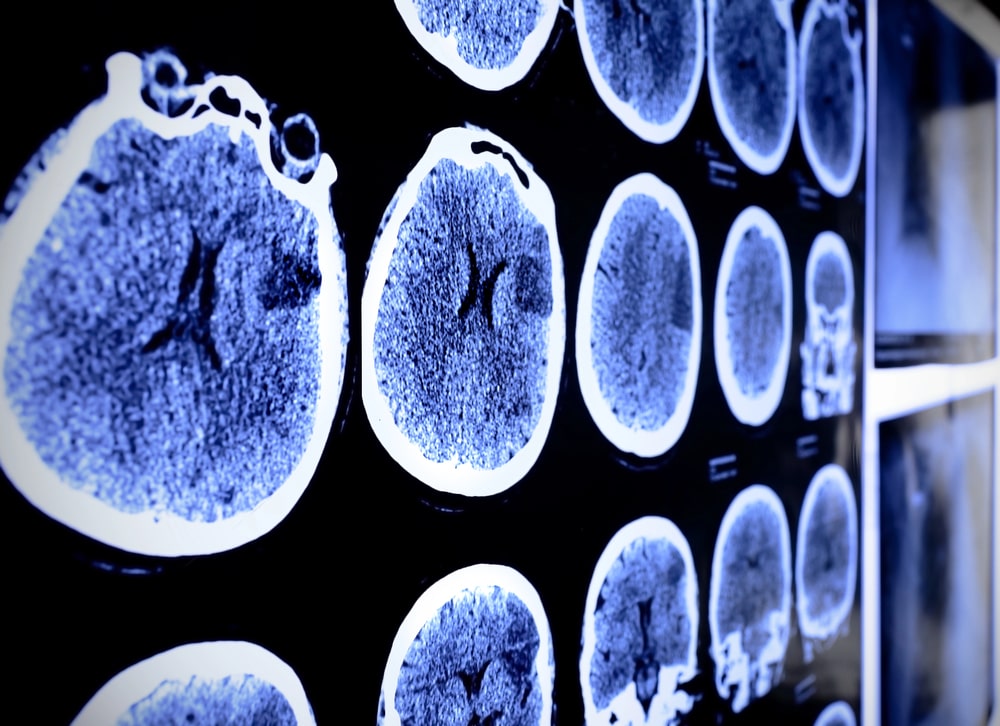
Standard CT and MRI scans often appear normal in mild to moderate TBI cases, even when significant cognitive impairment exists. Neuropsychological testing measures the functional domains that imaging cannot, memory, attention, processing speed, executive function, and behavioral regulation. When imaging is normal but symptoms persist, neuropsychological evaluation is the appropriate next step, and the results frequently reveal impairment that was not captured by initial emergency imaging.
Mishkind Kulwicki Law Co., L.P.A. represents brain injury victims in Ohio whose injuries were missed, minimized, or misclassified after accidents and medical events.
What Delayed Diagnosis Means for a Claim
When brain injury symptoms are misattributed for weeks or months, a gap forms in the medical record between the accident and the documented injury. Insurance defense teams use this gap to argue that the brain injury was not caused by the accident, or that it does not exist at all. The longer the delay, the harder that gap is to close. Consistent follow-up care, imaging referrals, and neuropsychological evaluation conducted promptly after an accident are the most effective ways to prevent this gap from forming.
Speaking With an Attorney in Cleveland
If you or a family member experienced cognitive, emotional, or physical symptoms after an accident that were not initially attributed to a brain injury, speaking with a Cleveland brain injury lawyer is a straightforward first step. Our team can connect you with the medical professionals needed for a proper evaluation and help build a record that accurately reflects the injury and its cause.