



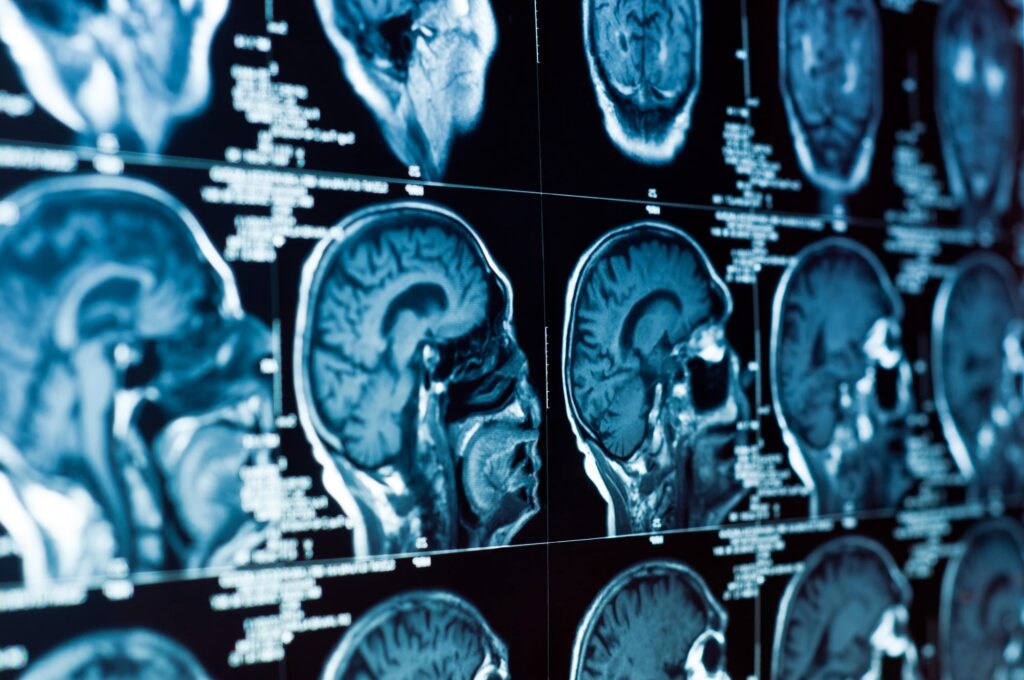
Traumatic brain injury is one of the leading causes of death and long-term disability in the United States. The CDC reports that TBI-related injuries caused more than 68,000 deaths in 2023, which translates to roughly 190 deaths every day. An additional 214,000 patients were hospitalized for brain injuries in a single year, and those numbers do not account for the many TBIs treated in emergency rooms, urgent care centers, or those that go undiagnosed entirely. Traumatic brain injury is responsible for approximately 30 percent of all injury-related deaths across the country.
Residents of Mansfield and Richland County face the same risks that drive these numbers nationally: motor vehicle crashes on I-71 and U.S. Route 30, falls at construction sites and industrial workplaces, and medical errors in hospitals and outpatient facilities. A brain injury attorney in Mansfield, OH works to connect the harm to the responsible party and pursue the full scope of compensation a brain injury demands, which often extends over the course of a lifetime.
- Traumatic brain injuries caused more than 68,000 deaths in the United States in 2023, an average of 190 per day.
- Over 214,000 TBI-related hospitalizations occur annually, with many more injuries treated in emergency departments or left undiagnosed.
- TBI accounts for roughly 30 percent of all injury-related deaths nationwide.
- Adults 75 and older have the highest rates of TBI-related hospitalization and death, largely due to falls.
- Males are nearly three times more likely than females to die from a traumatic brain injury.
Key Documents You Will Need for Your Brain Injury Case
A brain injury claim depends on documentation that establishes both the injury and its long-term consequences. Gathering the right records early gives your Mansfield brain injury lawyer the material needed to build a complete picture of the harm. The following documents are central to nearly every brain injury case.
- Emergency department and hospital records. These records capture the initial presentation, the severity of the injury, and the early treatment decisions. Glasgow Coma Scale scores, neurological assessments, and intubation records all appear in this documentation and establish the baseline for everything that follows.
- Neuroimaging studies. CT scans and MRIs document the physical injury to the brain. Serial imaging, taken at intervals after the injury, can show whether the damage is stable, resolving, or progressing. Diffuse axonal injuries and contusions that are not visible on early imaging may appear on later studies, which is why repeat scanning matters.
- Neuropsychological evaluation reports. These assessments measure cognitive function, memory, processing speed, executive function, and emotional regulation. Comparing pre-injury and post-injury performance is often the most persuasive evidence of TBI diagnosis and how it affects daily life.
- Treatment and rehabilitation records. Records from neurologists, speech therapists, occupational therapists, and physical therapists show the trajectory of the recovery and document what ongoing care the patient needs. These records also support the life care plan.
- Life care plan. A life care plan, typically prepared by a qualified specialist, projects the cost of future medical treatment, therapy, adaptive equipment, home modifications, and attendant care over the patient’s remaining life. In catastrophic brain injury cases, these costs can run into the millions.
- Employment and earnings documentation. Pay stubs, tax returns, and employer records establish what the patient earned before the injury and support claims for lost wages and diminished earning capacity. In cases involving younger patients or those with career growth ahead of them, an economist may project what was lost.
- Police or accident reports. When the brain injury results from a car crash, workplace incident, or other accident, the investigating agency’s report provides the initial account of what happened. These reports document conditions at the scene, identify the parties involved, and may include witness statements.
- Insurance policy documents. Your own auto insurance, health insurance, and any applicable umbrella coverage determine which resources are available to pay for treatment and fund the claim. Reviewing these documents early helps avoid coverage gaps.
Mansfield, OH Brain Injury Lawyer FAQs
How much does it cost to hire a brain injury lawyer in Mansfield?
We handle brain injury claims on contingency. There is no retainer, no hourly fee, and no charge unless we recover compensation for you. The consultation is free, and we advance all case costs, including the cost of medical review, neuropsychological evaluation, and life care planning. Brain injury cases are expensive to prepare properly, and this structure removes the financial barrier.
What are the filing deadlines for brain injury claims in Ohio?
The deadline depends on the cause of the injury. Personal injury claims from car accidents or falls carry a two-year statute of limitations. Brain injuries caused by medical malpractice must be filed within one year. Both deadlines are strictly enforced, and missing them eliminates the right to pursue compensation entirely.
How are brain injuries proven in court?
Proof typically comes from neuroimaging, neuropsychological testing, and testimony from qualified medical professionals. The challenge in many cases is that concussions and milder TBIs may not show clear structural damage on a scan. In those situations, neuropsychological testing and clinical observation become the primary evidence of impairment.
What is the difference between a mild and severe TBI?
A mild TBI, commonly called a concussion, involves a brief alteration in consciousness and may produce persistent symptoms including headaches, memory difficulty, and mood changes. A severe TBI involves prolonged loss of consciousness, significant structural brain damage, and often permanent cognitive and physical deficits. Both can form the basis of a legal claim if negligence caused the injury.
What compensation is available for brain injury victims?
Ohio law allows recovery of economic damages, including medical bills, rehabilitation costs, lost wages, and future care needs, without a statutory cap. Noneconomic damages for pain, cognitive loss, personality changes, and loss of enjoyment of life are also available. In medical malpractice brain injury claims, noneconomic damages are capped with exceptions for catastrophic injuries.
What are the long-term costs of a brain injury?
The lifetime cost of a severe traumatic brain injury can reach several million dollars when rehabilitation, cognitive therapy, adaptive equipment, home modifications, and lost earning capacity are accounted for. Ohio courts consider what brain injury damages look like over the course of a full life expectancy, not just the first few years.
Can I file a brain injury claim if the injury resulted from medical malpractice?
Yes. Brain injuries caused by medical malpractice, including anesthesia errors, delayed stroke diagnosis, and surgical complications, are among the most serious claims we handle. These cases require both a medical malpractice framework and an understanding of brain injury medicine.
How long does a brain injury case take?
Most brain injury cases take two to three years from the initial consultation to resolution. The timeline is longer than many injury claims because the full extent of a brain injury often takes months to assess, and life care planning requires input from multiple specialists.
What if my symptoms did not appear right away?
Delayed symptoms are common with brain injuries. Some deficits, particularly in executive function, memory, and emotional regulation, do not become apparent until the patient returns to work or daily routines. The important step is to seek medical evaluation promptly once symptoms appear, because a documented assessment strengthens the claim.
What should I bring to my brain injury consultation?
Bring all medical records from the emergency department, hospital, and any follow-up providers. Include neuroimaging reports, neuropsychological evaluations if available, and documentation of lost wages or inability to work. If the injury resulted from an accident, bring the police report. We will review everything and give your family an honest picture of what the case involves and what the next steps would look like.
Additional Resources for Mansfield Brain Injury Cases
- Traumatic Brain Injuries
- 2019 Traumatic Brain Injury Update
- Children and Brain Injury
- Recovering From Brain Injury
- Proving Damages Caused by Brain Injury
Contact Mishkind Kulwicki Law Co., L.P.A.
If you or a family member suffered a brain injury in Mansfield, OH because of someone else’s negligence, Mishkind Kulwicki Law Co., L.P.A. is prepared to investigate what happened and fight for the compensation your family needs. We handle brain injury claims on a no fee unless we win basis, and the initial consultation is free. Our office provides 24/7 live call answering. Contact us to speak with a Mansfield brain injury attorney who knows how to build these claims from the medical records up.